
What to Watch Out For: Cheap, “Open-Source Mimick” Miners And Why They’re A Risk to Open-Source
The open-source mining movement (led by projects such as Bitaxe) promise to democratise Bitcoin mining: small rigs, low cost, full transparency. That vision attracted many. But unfortunately, with popularity came a flood of cheap knock-offs, clones, and modified miners that call themselves “Bitaxe-style” or “open-source miners.”
Before you buy, it’s really crucial to know what to check as many of these inexpensive miners cut corners, compromise hardware quality, and break the open-source ethos.
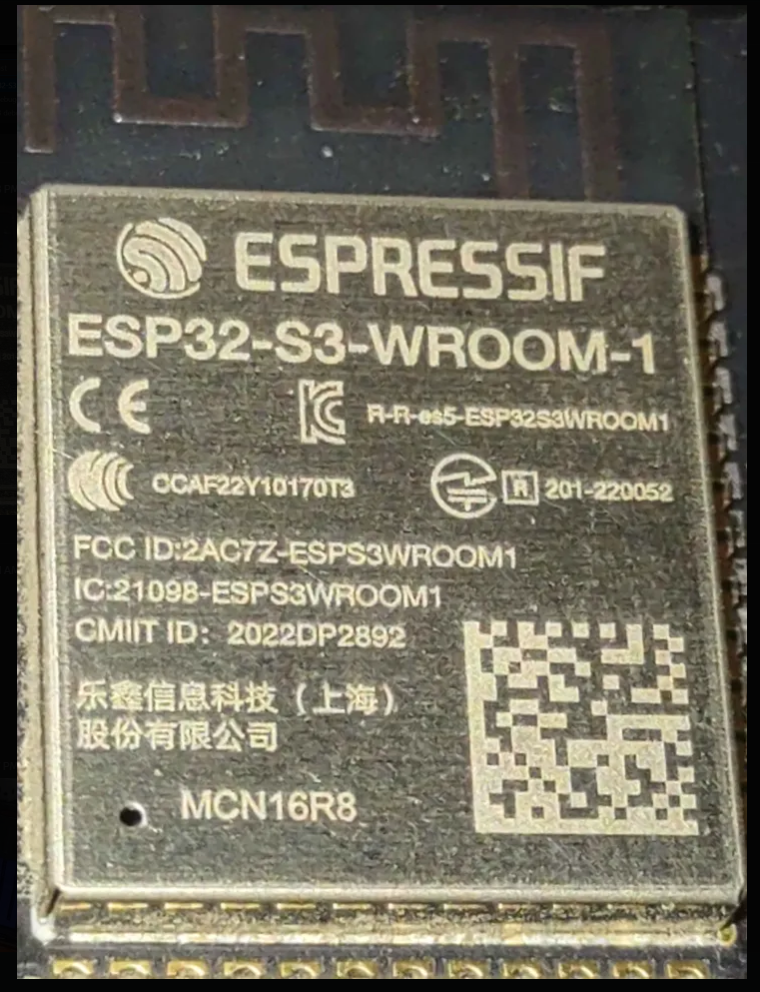
correct ESP32 wifi chip for the Bitaxe gamma 601 and 602.
Note the MCN16R8 inscribed at the bottom of the chip.
Why Cheap Clones Are a Serious Problem
Violations of Open-Source Principles - The original Bitaxe ecosystem (and its community, often associated with Open Source Miners United / OSMU) relies on transparency of hardware design, firmware, and documentation. Clone manufacturers often ship modified hardware or firmware without documentation or source disclosure — violating the license and undermining trust.
Low-Quality Components & Poor Build Quality - Many clones use cheaper, off-spec modules or components that fail under load, lack robustness, or degrade quickly. Users report frequent failures, lack of support, and inconsistent performance when buying these clones.
Lack of Support or Updates - Genuine open-source miners often come with community or developer support, firmware updates, and maintenance oversight. Knock-offs typically offer no support and may ship with outdated or modified firmware, leaving buyers stranded when problems arise.
Undermines the Ecosystem - Every fake or low-quality clone sold undercuts the reputation of the open-source mining movement. It floods the market with unreliable hardware, confusing newcomers, and diluting trust in legitimate projects.
In short: while cheap miners may seem like a bargain, they often represent a false economy. This is cheaper upfront, more costly, unstable and a waste time.
Buyer’s Checklist: How to Tell a Real Miner from a Cheap Clone
If you’re evaluating a miner, especially a used or “budget” unit, here’s what to inspect carefully before you hit “buy”:
Ask for Clear, High-Resolution Photos Before Purchase
Demand macro photos that show the module marking (e.g. of the microcontroller) and overall board layout. Red flags include blur, missing info, or refusal to provide good photos.Inspect the Module & Components - Not Just the Shell
Cheap clones often reuse generic or underspecified modules. A genuine open-source miner should use the correct, supported module/MCU with enough RAM/flash (or PSRAM, if required). Modules with anonymous or unclear markings are suspect.Verify Soldering, PCB Quality, and Build Consistency
Real miners tend to have uniform soldering, consistent layout, and known reference designs. If the board looks messy, hand-soldered, or inconsistent — be skeptical.Check for Proper Cooling, Power Delivery & PSU
Cheap rigs may skip proper cooling (heatsinks, fans), or use cheap power supplies. This can lead to overheating, instability, or even safety hazards.Confirm Firmware & Open-Source Compliance
Ask whether the miner runs official, community-approved firmware. If the seller uses a proprietary or modified firmware without source disclosure, this contradicts open-source principles, and may mean future firmware updates are impossible.Avoid “Too Good To Be True” Prices
If the price is extremely low, it often means corners were cut somewhere. For hardware-intensive projects like mining, true quality and stability require investment.
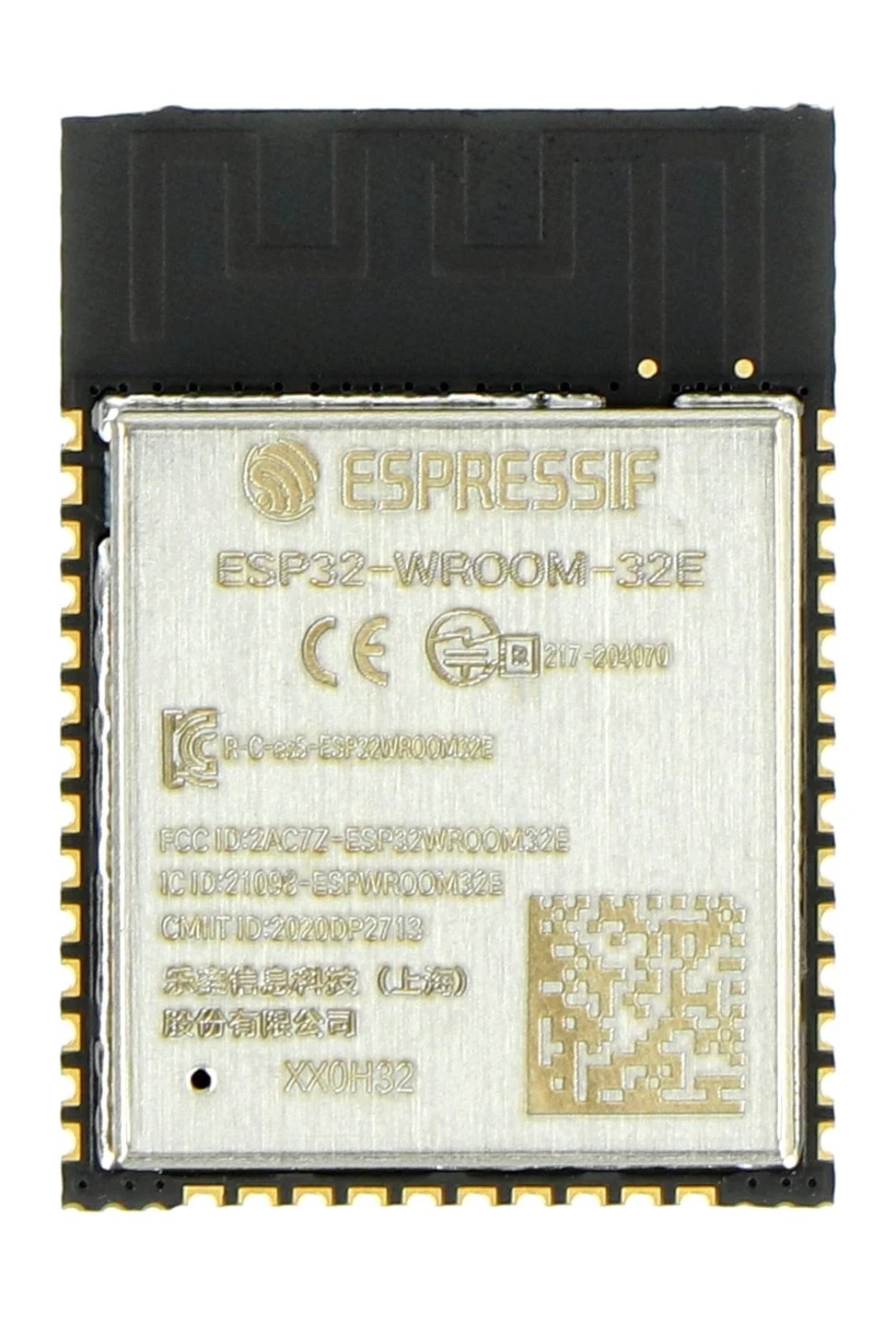
Example of a what a suspect ESP32 chip would look like on some cheap knockoff bitaxes.
the only corect ESP chip is the ESP32-S3-WROOM-1 type N16R8 (16MB Flash, 8MB Octal SPI PSRAM)
What Happens When Cuts Are Made - Real Risks From Cheap Miners
Buying cheap or cloned miners often leads to one or more of the following problems:
Miner fails early, or works only for a short time before breaking down.
Hashrate is unstable or much lower than advertised; ASICs may not initialize properly or may drop mid-mine.
Firmware crashes, miner freezes, or unit overheats, leading to shutdown or even hardware damage.
No support and no updates, leaving you stuck if something goes wrong or if firmware changes.
Loss of funds or wasted electricity because miner doesn’t run reliably.
In some cases, entire batches of cheap miners flood marketplaces, as described in industry reports. This leaves many disappointed buyers.
How to Buy Right - Pick Trusted, Transparent Sellers or Verified Builds
If you want to actually get a working miner that lives up to what “open-source crypto mining” promises, here’s a safer approach:
Buy from known, transparent sellers or individuals who provide clear photos, hardware specs, and history.
Prefer miners assembled with verified components, correct modules (with enough RAM/flash), proper PCBs, documented wiring, cooling, and power supply.
Demand copy of the firmware source or assurance the miner runs official open-source firmware.
If buying used, request to see the miner running before payment, or ask for a burn-in period and warranty/return policy. Many problems only show up under load.
Think beyond price: stability, longevity, community support - those make a big difference.
Why Supporting True Open-Source Miners Matters
Open-source mining projects like Bitaxe exist to make mining accessible, transparent, and community-driven. Supporting clones and shady “cheap” miners undermines that mission. Every buyer matters.
By choosing verified miners (or walking away from suspicious offers) you help uphold:
The integrity of open-source hardware and software
Fair competition and honest pricing
A community where documentation, support, and transparency are valued
It’s not just about cheap hardware, it’s about respecting the principles that make open-source mining worthwhile.
Final Word: Cheap Doesn’t Always Mean Cheap
Cheap “Bitaxe-style” miners might look tempting, but the savings often come at the price of reliability. The risks: hidden defects, no support, unknown firmware, poor performance.
If you want something that actually works and lasts, take your time and verify components. Demand transparency. Buy from trusted sources. Support the open-source ethos. In the long run, quality and integrity pay off far more than a low sticker price.
At Crypto Miners Australia, we only sell miners that follow the official open-source build specifications published on the Bitaxe GitHub. Every unit we stock is assembled using the correct components, firmware-approved architecture, and verified modules; Never the cheap substitutes you’ll find in low-cost clones. We source directly from trusted builders who follow the project’s BOM, layout, and testing procedures exactly as the developers intended. When you buy from us, you’re getting a miner built to spec, to standard, and to the open-source design - exactly the way it’s meant to be.